
Role of Tiles in Landscaping – Transforming Outdoor Spaces
Role of Tiles in Landscaping – Transforming Outdoor Spaces
Transforming Outdoor Spaces: Most British landscapes rely on more than just plants to stand out, with tiles now shaping the style and structure of outdoor spaces across the region. In fact, porcelain and natural stone tiles can outlast other landscaping materials by over a decade when properly installed and maintained. Understanding how tiles perform in the unpredictable British climate gives homeowners and designers a strategic advantage, offering creative ideas for gardens, patios, and terraces that deliver both beauty and resilience.
Table of Contents
- Defining The Role Of Tiles In Landscaping
- Popular Tile Types For Gardens And Patios
- Design Impact: Patterns, Colours, And Layouts
- Installation Methods And Site Preparation Steps
- Maintenance, Safety, And Longevity Considerations
Key Takeaways
| Point | Details |
|---|---|
| Versatile Tile Functionality | Tiles in landscaping provide durable walkways, define zones, and enhance outdoor aesthetics. They are essential for both visual appeal and practicality. |
| Optimal Tile Selection | When choosing outdoor tiles, prioritise high slip resistance and frost-proof ratings for safety in the British climate. Porcelain is often the best choice for durability and maintenance. |
| Design Potential | The careful selection of tile patterns and colours can dramatically change the perception of an outdoor space, influencing mood and spatial dynamics. |
| Installation and Maintenance Importance | Proper installation methods and routine maintenance are critical for ensuring longevity and preventing deterioration of outdoor tile installations. |
Defining The Role Of Tiles In Landscaping
Tiles have become an essential element in modern garden design, offering much more than simple ground coverage. Landscaping professionals recognise tiles as versatile surfaces that transform your outdoor space through both aesthetic and functional capabilities. These remarkable materials provide a robust solution for creating structured, visually appealing exterior spaces that withstand environmental challenges.
In practical landscape applications, tiles serve multiple critical purposes. They create durable walkways, define garden zones, establish patio areas, and contribute to the overall architectural character of an outdoor area. Porcelain and natural stone tiles particularly excel in exterior settings, offering exceptional resistance to weather fluctuations, moisture, and temperature variations. Their dense composition ensures longevity and minimal maintenance, making them an intelligent choice for homeowners seeking both beauty and practicality.
The design potential of landscaping tiles extends far beyond basic functionality. Outdoor tile surfaces can dramatically enhance structural design and environmental aesthetics, introducing textural complexity and visual interest to gardens, terraces, and recreational areas. Architects and landscape designers strategically employ different tile sizes, colours, and patterns to create visual narratives that complement surrounding architectural elements and natural landscapes.
Pro Tip - Tile Selection Strategy: Always choose exterior tiles with high slip resistance and frost-proof ratings to ensure safety and durability in challenging British weather conditions.
Popular Tile Types For Gardens And Patios
Garden and patio design offers a fascinating array of tile options that can dramatically transform outdoor living spaces. Architectural designers recommend several distinctive tile styles that cater to different aesthetic preferences and functional requirements. Cobblestone-style tiles, stone-look tiles, rustic terracotta designs, and painted large tiles represent some of the most popular choices for creating visually stunning exterior environments.
Porcelain and ceramic tiles dominate contemporary outdoor design landscapes. Innovative tile collections include geometric ceramic tiles, wood-effect porcelain, and monochrome mosaic cement options that provide remarkable versatility for British gardens and patios. Natural stone tiles offer exceptional durability, while wood-effect porcelain provides the warmth of timber without maintenance challenges. Ceramic tiles bring intricate patterns and vibrant colour possibilities, enabling homeowners to create truly unique outdoor spaces.
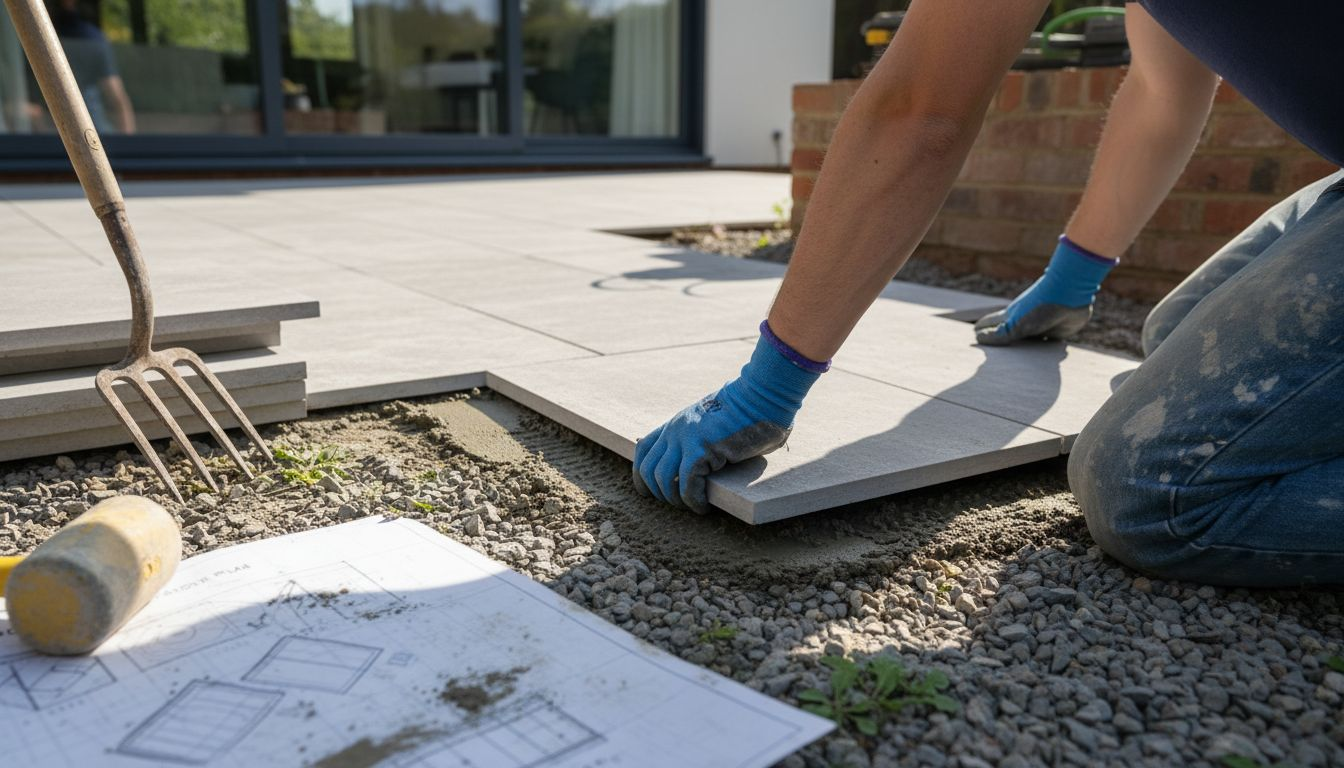
When selecting outdoor tiles, consider critical factors beyond aesthetic appeal. Material composition, slip resistance, frost durability, and colour retention become paramount in the unpredictable British climate. Porcelain tiles consistently emerge as a superior choice, offering excellent water resistance, minimal porosity, and remarkable strength. Their ability to withstand temperature fluctuations and heavy foot traffic makes them ideal for garden pathways, pool surrounds, and patio areas.
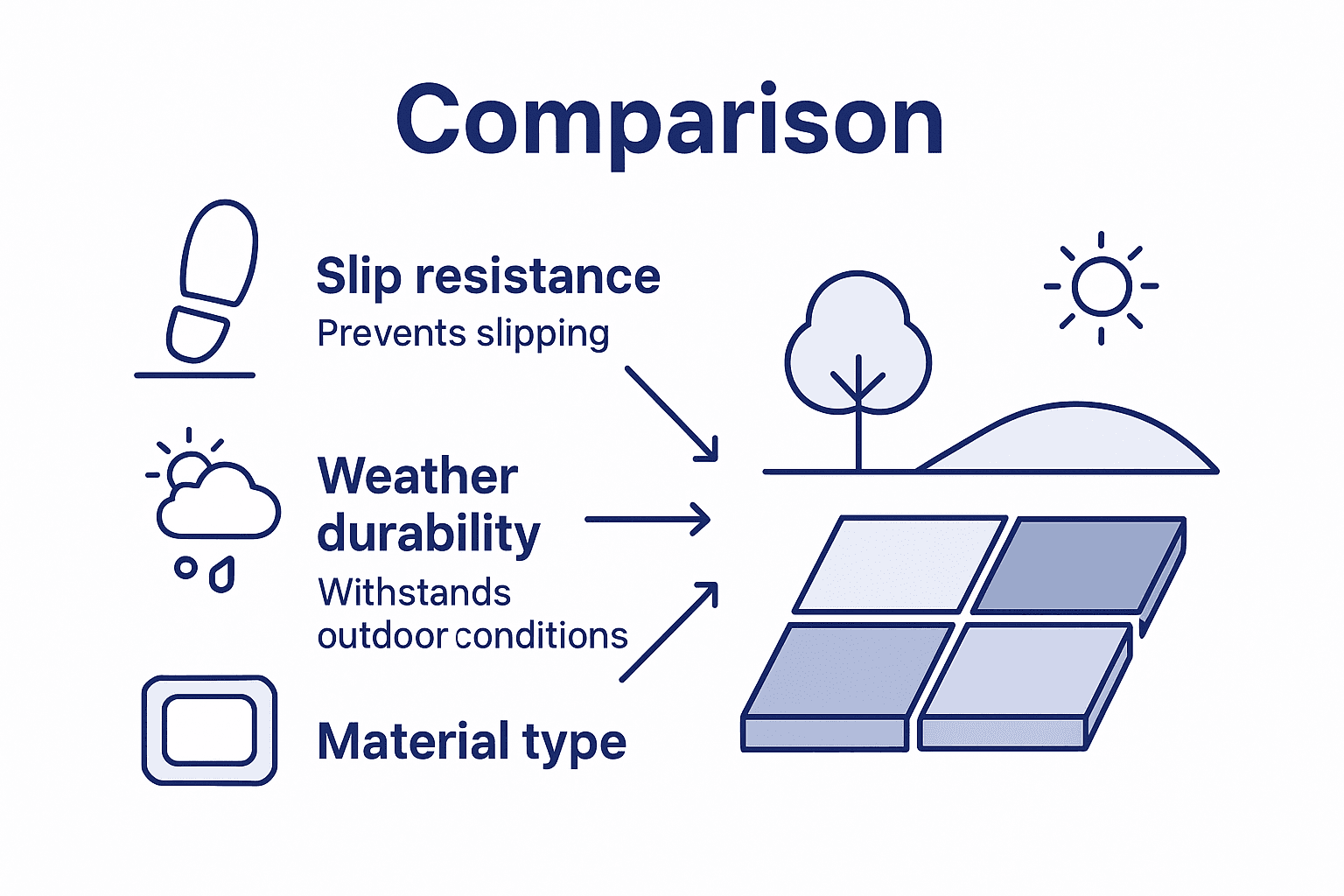
Pro Tip - Material Selection: Always prioritise exterior tiles with high slip resistance and UV-stable colouration to ensure long-lasting performance and safety in outdoor environments.
The following table summarises the unique characteristics of popular outdoor tile types in British landscaping:
| Tile Type | Key Visual Characteristic | Best Feature for Outdoors | Typical Use Case |
|---|---|---|---|
| Porcelain | Sleek, modern finishes | Exceptional weather resistance | Pathways and patios |
| Natural Stone | Organic, textured surface | Timeless aesthetic, high durability | Garden zones and terraces |
| Ceramic | Intricate patterns, colours | Versatile design possibilities | Decorative patios and wall murals |
| Wood-effect Porcelain | Imitates timber appearance | Low maintenance with warmth | Seating areas and decks |
Design Impact: Patterns, Colours, And Layouts
Architectural designers understand that tile selections dramatically transform outdoor environments, with patterns, colours, and layouts serving as powerful design elements. Tile composition goes far beyond mere surface coverage, acting as a critical visual language that communicates aesthetic intention and spatial character. Rustic quarry tiles, painted large tiles, and intricate geometric designs offer homeowners sophisticated tools for crafting compelling exterior narratives.
Innovative tile pattern strategies create remarkable visual dynamics in outdoor spaces, enabling designers to manipulate perception and spatial flow. Geometric configurations can make a small garden appear larger, while thoughtful colour selections influence mood and atmospheric quality. Herringbone arrangements elongate spaces, diagonal placements create dynamic movement, and consistent grid patterns establish visual calm and order. Colour selections play an equally transformative role, with lighter tones expanding perceived space and darker hues creating intimate, grounded environments.
Successful outdoor tile design requires nuanced understanding of material interactions and environmental contexts. Consideration must extend beyond aesthetic preferences to include practical factors such as slip resistance, UV stability, and thermal performance. Natural stone tiles offer organic texture and timeless elegance, while porcelain provides unparalleled durability and colour consistency. Ceramic options introduce intricate pattern possibilities, allowing for complex visual storytelling within landscape design.
Pro Tip - Design Harmony: Always consider how tile patterns and colours interact with surrounding architectural elements and natural landscape features to create a cohesive, harmonious outdoor environment.
Installation Methods And Site Preparation Steps
Professional tile installation requires meticulous preparation and systematic approach, transforming outdoor spaces from conceptual designs into tangible realities. Site preparation represents the foundational stage where success is determined long before the first tile is laid. Professionals assess ground conditions, evaluate drainage requirements, and create a stable, level substrate that will support tile installation and ensure long-term durability.
Precise measurement and strategic layout planning form the cornerstone of successful tile installation, demanding careful consideration of spatial dimensions and aesthetic objectives. Installers must account for intricate details such as tile orientation, joint alignment, and potential cutting requirements around architectural features. Substrate preparation involves critical steps including surface cleaning, repairing uneven areas, applying appropriate primers, and selecting compatible adhesive systems that match specific tile materials and environmental conditions.
The installation process encompasses multiple technical stages, each requiring specialised knowledge and precision. Adhesive selection depends on tile type, with porcelain and ceramic tiles demanding different bonding agents. Installers must understand moisture barriers, expansion joint placement, and grouting techniques that prevent water penetration and structural compromise. Professional execution involves systematic approaches: measuring accurate tile cuts, maintaining consistent joint widths, ensuring proper tile alignment, and implementing robust waterproofing strategies that protect the underlying surface.
Pro Tip - Installation Expertise: Always conduct a comprehensive site assessment and moisture test before beginning tile installation, as proper groundwork prevents 80% of potential future installation failures.
Maintenance, Safety, And Longevity Considerations
Understanding safety considerations is fundamental to creating sustainable outdoor tile installations, with non-slip properties representing a critical design element. Safety goes beyond immediate traction, encompassing material selection, surface treatment, and ongoing maintenance strategies that protect users from potential accidents. The coefficient of friction becomes a key technical metric, determining how effectively tiles resist slipping during wet or challenging environmental conditions.
Longevity in outdoor tile installations demands comprehensive maintenance approaches that protect against environmental degradation. Tile materials offer exceptional durability when properly selected and maintained, with porcelain and natural stone providing remarkable resistance to weathering, UV exposure, and temperature fluctuations. Regular cleaning, periodic sealing, and proactive repair interventions can significantly extend tile lifespan, preventing moisture penetration, structural weakening, and aesthetic deterioration that compromise performance over time.
Maintenance protocols should address specific environmental challenges unique to British outdoor spaces. This includes managing moss and algae growth, protecting against frost damage, and implementing drainage strategies that prevent water accumulation. Professional-grade sealants, specialised cleaning products, and periodic professional assessments help homeowners preserve tile integrity. Material-specific care becomes crucial, with different tile types requiring tailored maintenance approaches that respect their inherent physical characteristics and manufacturing composition.
Pro Tip - Preventative Care: Invest in annual professional tile inspection and maintenance, which can extend your outdoor tile installation’s lifespan by up to 50% and prevent costly future replacements.
This table compares common tile installation and maintenance errors with their recommended preventative measures:
| Common Error | Likely Consequence | Preventative Measure |
|---|---|---|
| Using incorrect adhesive | Early tile loosening | Match adhesive to specific tile material |
| Ignoring surface level issues | Water pooling and uneven finish | Prepare and level substrate thoroughly |
| Overlooking drainage needs | Tile staining and frost damage | Ensure robust drainage system |
| Neglecting periodic sealing | Moisture ingress, discolouration | Schedule regular professional maintenance |
Elevate Your Outdoor Spaces with Premium Tiles from Vivido Tiles
Transforming your garden or patio into a stunning, durable retreat calls for the right tile selection that balances beauty with performance. The article highlights key challenges such as weather resistance, slip safety, and design impact—areas where choosing porcelain, natural stone, or wood-effect tiles with the correct specifications is essential for long-lasting satisfaction in British climates. Achieving a cohesive, safe, and stylish outdoor environment demands expert tile options known for high slip resistance, frost-proof qualities, and captivating patterns.

Discover a wide collection of premium outdoor tiles at Vivido Tiles where affordability meets quality. Whether you seek sleek porcelain tiles that withstand British weather, rustic natural stone to elevate garden zones, or unique patterned designs to add personality, our selection will help you create your perfect landscape. Visit our new tile showroom in Harrogate or explore our easy-to-navigate online shop today for industry expertise, exclusive pricing, and free UK delivery on many products. Start crafting your dream outdoor space now with outdoor paving options designed for longevity and style.
Frequently Asked Questions
What are the benefits of using tiles in landscaping?
Tiles provide durability, aesthetics, and functional capabilities in outdoor spaces. They create structured walkways, define garden zones, and offer resistance to weather fluctuations, ensuring minimal maintenance and longevity.
Which types of tiles are best suited for outdoor use?
Porcelain and natural stone tiles are highly recommended for outdoor landscaping as they are resistant to moisture, temperature changes, and wear, making them ideal for pathways, patios, and garden areas.
How do I choose the right tile design for my outdoor space?
Consider factors such as tile size, colour, pattern, and the overall architectural character of your home. Additionally, ensure the selected tiles have high slip resistance and UV stability to maintain safety and aesthetic integrity in varying weather conditions.
What maintenance is required for outdoor tiles?
Regular cleaning, periodic sealing to prevent moisture penetration, and proactive repair measures are essential. It’s also important to manage environmental challenges like moss growth and ensure a good drainage system to preserve tile integrity and appearance.